


Oxide: Survival Island
4.47.11K Reviews
App Specs
- Version
- 1.13.11946
- Updated On
- License
- Free
- Downloads
- 10,000,000+
- Developer
- HYPERHUG
- Categories
- Simulation
- Platform
- Android, iOS
Screenshots
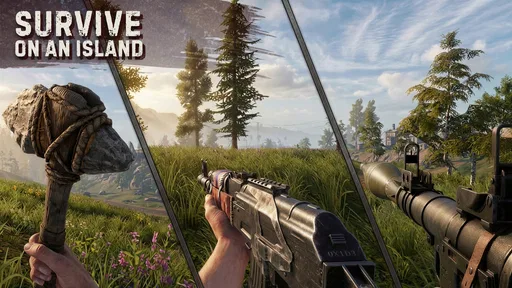

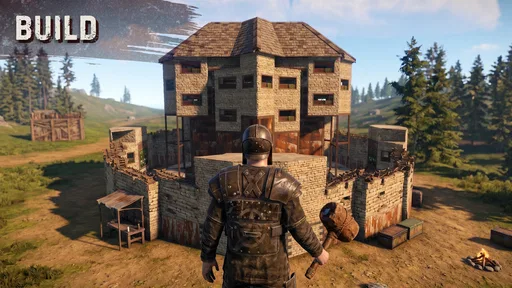


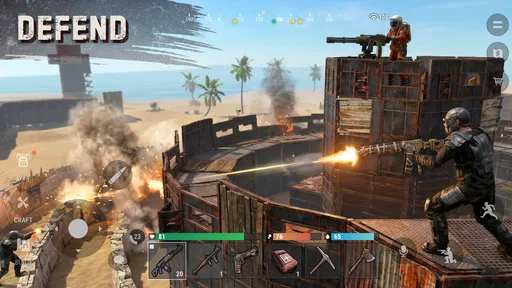


 Analysis by AppCompare
I judge survival games by how well their mood supports the routine of staying alive. In Oxide: Survival Island, the island’s greenery, beaches, and open water make an inviting first impression, but that calm surface sits beside a steady need to find food, gather materials, and think ahead. I like that contrast: the setting can feel peaceful for a moment, then a change in light or weather reminds me that comfort here is something to prepare for.
Who will feel at home on the island
This is a good fit if you enjoy making your own short-term goals in a survival game: collect enough for a tool, find a safer place to return to, or explore a little farther before heading back. The freedom can be satisfying when I have time to settle into a session and learn through trial and error. It is less suitable if I want a guided story, a quick match with a clear finish, or a game that explains every system before asking me to use it. The steep learning curve is part of the experience, but it can also make the opening feel demanding.
The multiplayer angle is worth considering before you choose how to play. The game is presented as a survival simulator to play with friends, so it may appeal most when I have someone to share the island’s risks and decisions with. I would not assume that playing together removes the need to manage food, thirst, shelter, and danger; the core appeal is still survival planning, rather than a purely social hangout. If I prefer a solitary, carefully paced survival story, a single-player alternative may suit me better.
How I would approach an ordinary session
On a short evening session, I would avoid treating every trip away from shelter as an invitation to roam indefinitely. I would first take stock of hunger, thirst, health, and the resources I already have, then choose one practical objective: gather what I need for a basic tool, look for food, or scout a nearby area. Before nightfall, I would make a deliberate decision about whether the extra distance is worth the risk. That small routine gives each outing a purpose and reduces the chance of turning a promising run into a scramble to get home.
A useful habit is to separate exploration from restocking. When I am low on supplies, chasing distant discoveries can leave me without the basics needed to recover. I would use a resource-focused trip to replenish what is immediately useful, then explore when I can afford to spend time away from a safe place. This is not a guarantee against surprises—the weather and wildlife can still disrupt a plan—but it gives me a better chance of making progress without relying on luck.
Setting the Scene
From the moment I launched the game, I was captivated by its stunning graphics. The island is beautifully rendered, with lush greenery, sandy beaches, and a serene ocean view that almost makes you forget you're fighting for survival. The attention to detail is commendable, and the immersive environment is one of the game’s biggest draws.
The premise of Oxide: Survival Island is simple yet engaging. You’re stranded alone on an island, and your primary goal is to survive by gathering resources, building shelters, and crafting tools. The game doesn't hold your hand, which I found both challenging and refreshing. It throws you right into the thick of things, expecting you to learn and adapt quickly.
Worth Reading Before You Choose

Flipboard Shows What News Apps Must Do Beyond the Feed

Switching to Android Auto Means Rethinking Your Driving Routine

Google Calendar Makes a Crowded Week Easier to Manage

Ludo King Makes the Most of the Minutes Between Plans

Baby Panda World Brings Quick Play to Modern Phones, but Its Game Library Feels Busy

ESPN’s Live Game View Makes Following Close Games Easier
Gameplay Mechanics
The gameplay mechanics are robust, offering a wide range of activities to keep you busy. You can hunt for food, fish in the ocean, and even plant crops. The crafting system is intuitive; it allows you to create everything from basic tools to more advanced structures. I spent hours figuring out the best combinations and strategies to maximize my survival chances.
Because crafting and gathering compete for the same time I could spend exploring, I found it helpful to think in terms of priorities rather than trying to do everything at once. Food and water needs come first when they are pressing; a new structure can wait if I am not prepared to stay out safely. The choice between hunting, fishing, and planting also changes the pace of a session: hunting and fishing suit an immediate need, while crops make more sense as part of a longer plan. That balance gives the routine some texture, though players who want constant action may find the resource work repetitive.
One aspect that stood out to me was the day-night cycle. It adds a layer of realism and urgency to the game. As darkness falls, the island becomes more dangerous, with wildlife becoming more aggressive. It's crucial to have a plan and a safe place to retreat to when night approaches.
I treat the approaching night as a practical checkpoint, not just a dramatic shift in atmosphere. If I am carrying useful supplies, I ask whether one more detour is worth risking the return. If I am already near shelter, I can use the remaining time to prepare instead of setting off again. This habit is especially useful for players still learning the island, because it turns the day-night cycle into a planning tool rather than a surprise penalty.
Survival Challenges
Surviving on the island isn't just about gathering resources. You also need to manage your character’s health, hunger, and thirst. The game does a fantastic job of balancing these elements, making sure you’re always on your toes. I found myself constantly strategizing about whether to explore further or return to my base to regroup.
That constant weighing of needs is the main reason the game works better for patient players than for people looking for effortless wandering. I would not start a long exploration when hunger or thirst already needs attention, because an objective that looks close can become less appealing once other survival demands catch up. New players may benefit from keeping each excursion modest until they understand how quickly their condition changes. It is a cautious approach, but the island rewards preparation more than impulsive distance.
Weather conditions also play a significant role. Rain can put out your fire, and storms can damage your shelter. These dynamic weather patterns keep the gameplay fresh and unpredictable. It’s all about adapting to your environment, which is both the charm and the challenge of this game.
Weather makes a fixed routine unreliable, so I would avoid treating a fire or shelter as something that can be ignored once built. When rain threatens a fire, I need to think about whether I can still meet basic needs; when a storm damages a shelter, repairing it may be more important than taking another sightseeing trip. The trade-off is clear: preparation takes time that could go toward discovery, but skipping it can leave a run vulnerable to conditions I did not choose.
Exploration and Discovery
One of my favorite aspects of Oxide: Survival Island is the exploration. The island is vast, with numerous hidden treasures and secrets waiting to be discovered. From ancient ruins to mysterious caves, there's always something new to find. This sense of discovery kept me hooked, encouraging me to keep exploring even when resources were scarce.
Exploration is most rewarding when I give it a limit. I choose a direction and a reason to go—perhaps looking for a particular resource or checking a landmark—then turn back before curiosity becomes a liability. That approach leaves room for unexpected discoveries without making every trip an all-or-nothing expedition. If I am poorly equipped or short on supplies, staying close and building up my reserves is the wiser choice; the island’s points of interest are more enjoyable when I can approach them without neglecting survival.
The game also features a variety of wildlife, some of which are friendly, while others are not so much. Encountering these creatures adds a level of excitement and unpredictability to your adventures. You never know what you might stumble upon, which keeps the gameplay exciting.
Sound, pacing, and the survival mood
The island’s visual calm works well alongside its changing danger: quiet stretches make the shift toward night or a storm feel more consequential. I find that this contrast gives ordinary tasks a mood of their own. Gathering and returning to shelter are not just chores between discoveries; they are the rhythm that makes the next risky trip feel earned. The pacing is deliberately uneven, with stretches of routine broken by decisions about weather, wildlife, and basic needs.
That rhythm is also a limitation. Anyone expecting a constantly escalating sequence of dramatic events may find that collecting materials and maintaining a base take up a substantial share of the experience. I see that as a fair trade for a survival simulator, but it is not a universal fit. A more action-focused game is the better pick when I want immediate combat or a tightly directed campaign; a relaxed building game is a better choice when I want creativity without survival pressure.
Choosing between this and other survival games
Compared with the usual alternatives in the genre, this game’s appeal is its island setting and the way practical survival tasks sit beside exploration. It brings together shelter, crafting, food gathering, and environmental pressure rather than focusing only on combat or construction. That makes it a reasonable choice for someone who likes a mix of systems and does not mind learning by doing. Players who value a detailed tutorial, a strong narrative, or a predictable solo progression should look for a game built around those priorities instead.
It is free to start, while optional in-app purchases range from $0.99 to $229.99 per item. I would decide whether it suits me based on the core survival loop before spending anything: the appeal is the island’s routine and its challenges, not a purchase by itself. It is rated Teen, and HYPERHUG is the developer. The game has an average rating of 4.5 from around 334,000 ratings, with over 10 million installs, which suggests a broad audience has tried it; those figures do not change the fact that the hands-off opening and survival chores will suit some players much more than others.
The listed version is 1.10.11536, and the minimum operating system is Android 7.1. Those details make it easier to check basic compatibility before installing. The key question for me is less about the number of systems on offer and more about whether I enjoy managing them together: hunger, thirst, shelter, crafting, and the decision to explore all compete for attention.
Final Thoughts
In conclusion, Oxide: Survival Island is a thrilling survival game that offers a deeply immersive experience. It’s perfect for players who love a challenge and enjoy the thrill of exploration. While the game does have a few rough edges, such as occasional glitches and a steep learning curve, these are minor compared to the overall enjoyment it provides.
If you’re a fan of survival games, I highly recommend giving this one a shot. It’s a game that tests your ingenuity and patience, offering a rewarding experience for those willing to invest the time. So grab your virtual backpack and get ready to embark on an adventure like no other. Happy surviving!
My recommendation comes with a clear condition: try it if you want to plan each outing around what your character needs and enjoy learning through the consequences of a risky choice. If you would rather be guided step by step, or want a game that fits into a very short break without asking you to keep track of several needs, I would choose something more structured. For me, the island is at its best when I slow down, prepare carefully, and let exploration happen at the pace survival allows.
Pros
- Immersive survival mechanics.
- Stunning island graphics.
- Engaging crafting system.
- Multiplayer mode available.
- Regular updates and events.
Cons
- Can be resource-intensive.
- Requires constant internet.
- Limited character customization.
- Some in-app purchases needed.
- Occasional bugs and glitches.
FAQs for Oxide: Survival Island
What is the main objective of Oxide: Survival Island?
Oxide: Survival Island challenges players to survive on a deserted island. The main objective is to gather resources, build shelter, and explore the island while fending off threats such as wild animals and other survivors. The game encourages strategic planning and resource management to ensure long-term survival.
Can I play Oxide: Survival Island offline?
Yes, Oxide: Survival Island can be played offline. This feature allows players to enjoy the game without needing a constant internet connection, making it ideal for long trips or areas with limited connectivity. However, certain features like leaderboards or multiplayer interactions require internet access.
What kind of resources can I gather in Oxide: Survival Island?
In Oxide: Survival Island, players can gather various resources such as wood, stone, and food. These resources are essential for building shelters, crafting tools, and maintaining health. Players must explore the island to find these materials and use them wisely to ensure their survival against environmental challenges.
Is there a multiplayer mode in Oxide: Survival Island?
Yes, Oxide: Survival Island includes a multiplayer mode where players can team up with friends or compete against others online. This mode enhances the gameplay by introducing cooperative strategies and competitive interactions, offering a dynamic and engaging survival experience.
What platforms is Oxide: Survival Island available on?
Oxide: Survival Island is available on both Android and iOS platforms. Users can download the game from the Google Play Store or the Apple App Store, making it accessible to a wide range of mobile device users. The game is optimized for smooth performance on both operating systems.


